
Processing characteristics of precision forgings
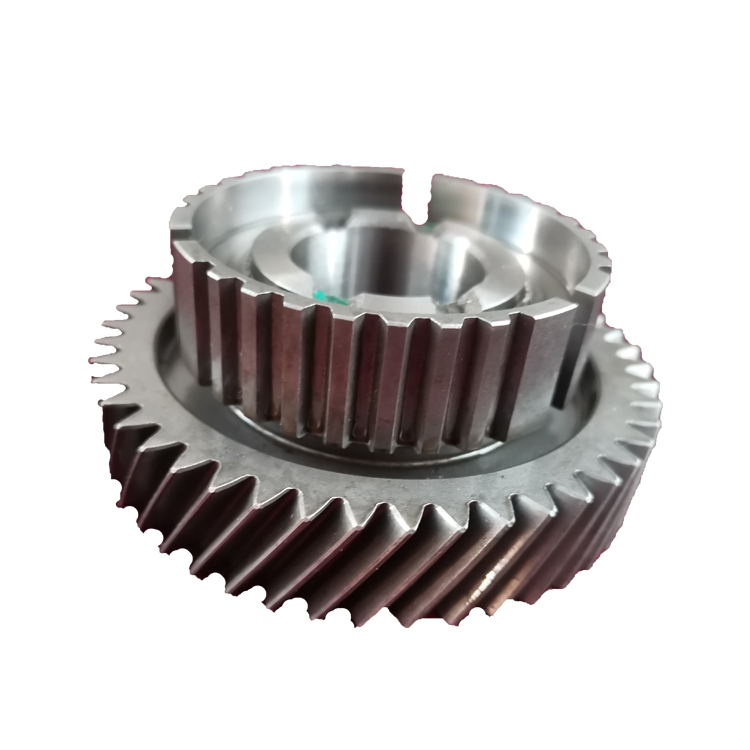
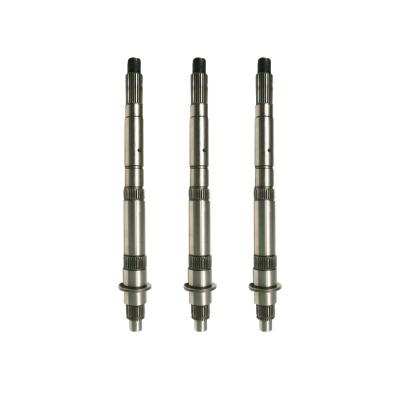
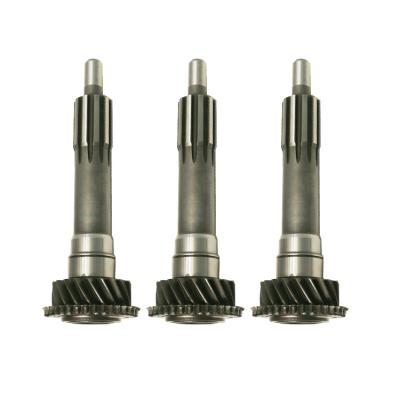
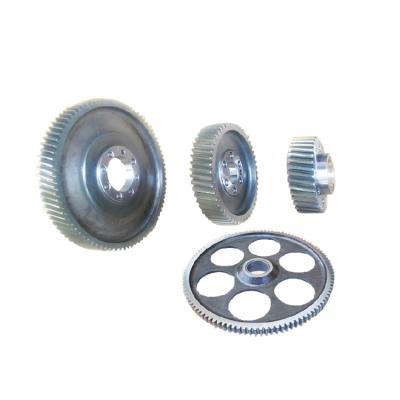
Precision forging forming technology refers to part forming technology, also known as near-net forming technology, after the basic part is formed, there is almost no processing.
This technology is developed on the basis of traditional casting molding technology. It is a technology integrating computer information technology, new energy and new materials. At this stage, precision forging forming technology is mainly used for precision forging parts and precision blanks. Precision forging forming technology has the advantages of low cost, high efficiency, energy saving and environmental protection, and high precision. There are many types of forming processes, which are divided according to the forming speed: high-speed precision forgings, general precision forgings and low-speed precision forgings.
According to the metal flow conditions in the casting process: semi-closed, closed, open precision forging forming process; according to the forming temperature: superplastic, room temperature, medium temperature, high temperature precision forging forming, etc. ;According to the molding technology, it is divided into: separate casting, isothermal casting, dual dynamic casting, composite molding, warm forging, hot forging, cold precision forging, etc. According to the molding process, precision forging technology has become a customary production method.
The processing characteristics of precision forgings are as follows:
1. Large weight range. Forgings range from a few grams to hundreds of tons
2. The quality is higher than castings. The mechanical properties of forgings are better than castings, and they can withstand greater impact and other heavy loads. So, some important things. Forgings are used for parts that are stressed. For high carbide steels, the quality of forgings is superior to that of rolled material. For example, high-speed steel rolled materials can only meet the requirements of use after being forged. In particular, high-speed steel milling cutters must be forged.
3. Light weight. Under the premise of ensuring the design strength, the weight of forgings is lighter than that of castings, which reduces the weight of the machine itself. For vehicles, aircrafts, and vehicles, it is important for vehicles and aerospace lifting equipment.
4. Save raw materials. For example, in the crankshaft with a static weight of 17kg used in automobiles, chips account for 189% of the weight of the crankshaft during cutting and forging, while chips only account for 30% during die forging, and the machining is also shortened by 1/6. Precision forged forgings can not only save more raw materials, but also save more processing time.
5. High productivity. For example, 30 automatic cutting machines can be replaced by using two hot die forging presses to forge radial thrust bearings. The upsetting automatic machine is used to produce M six-axis automatic lathes, and the productivity is 17.5 times that of 24 nuts.
6. Free forging has great flexibility, so some repair shops widely use forging to produce various accessories.