
Execution basis of die forging steps for forgings
The selection of die forging steps is based on: forging process characteristics, equipment conditions and production conditions, production batches, workers' operating techniques and habits, etc.
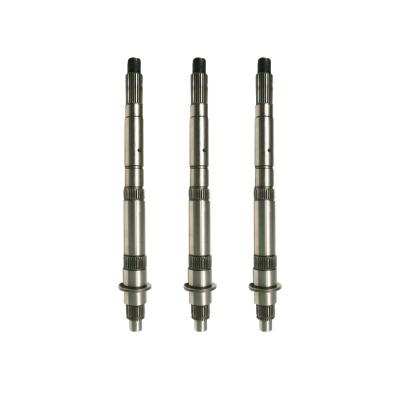
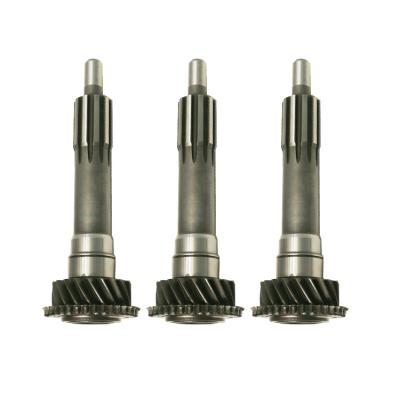
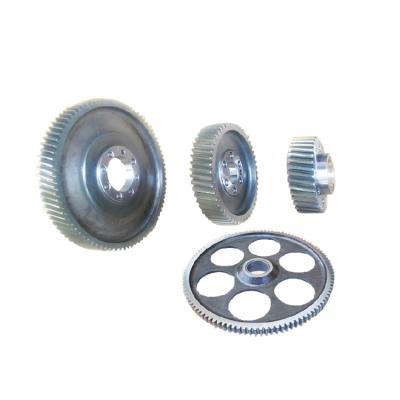
Common die forgings include cakes and shafts. When considering the work steps of horizontal forging, the following problems often occur:
1) Is there any precedent for die forging of similar forgings for reference.
2) Is it possible to complete die forging with fewer steps, such as direct forging without rolling after drawing, rolling and extending the blank without elongation, etc.
3) How to choose steps that have both advantages and disadvantages, such as whether pre-forging is required, etc.
4) How to reduce waste loss, such as: minimize the material of the chuck or completely eliminate the chuck, etc.
5) Whether the number of turns of the billet can be reduced during the billet making process to make the operation more convenient.
6) Can U-turn forging, multi-piece forging, joint forging, etc. be used to improve forming conditions, increase production efficiency, and reduce material loss, etc.
7) Forgings with complex shapes or other features can be jointly forged. For example:
Forgings are large and complex, with many working steps, sometimes forged with two die forging hammers;
From an economic point of view, free forging hammers and die forging hammers can jointly forge small batches and complex forgings; forgings have long rods. Whether to use polymers such as flat forging machines, electric heads, and then die forging other parts; or use radial forging machines to forge rods, and then use die hammers;
Whether to use roll forging machine and cross wedge rolling to form blank before die forging;
Are reamers and hammers used for large round forgings.
8) After analysis and comparison, other forming processes can also be selected, such as using cross wedge rolling instead of forging hammers to produce shafts, etc. No original consideration is required.
9) Some forgings can improve the forging process by changing the shape, and the opportunity to make suggestions for improvement should not be ignored or given up.